







Why businesses need software protection
Your software is constantly exposed — even when everything appears to be working.
In fact, it's always at risk of:
In fact, it's always at risk of:

Failing when systems or dependencies break

Being attacked through vulnerabilities you don’t control

Becoming non-compliant as regulations and requirements change

Breaking due to updates, changes, or lost knowledge
A single incident can block access, halt operations, and leave you without a clear path to recovery.
Software protection ensures no single failure, change, or event can take control away from your business — or erase your ability to recover.

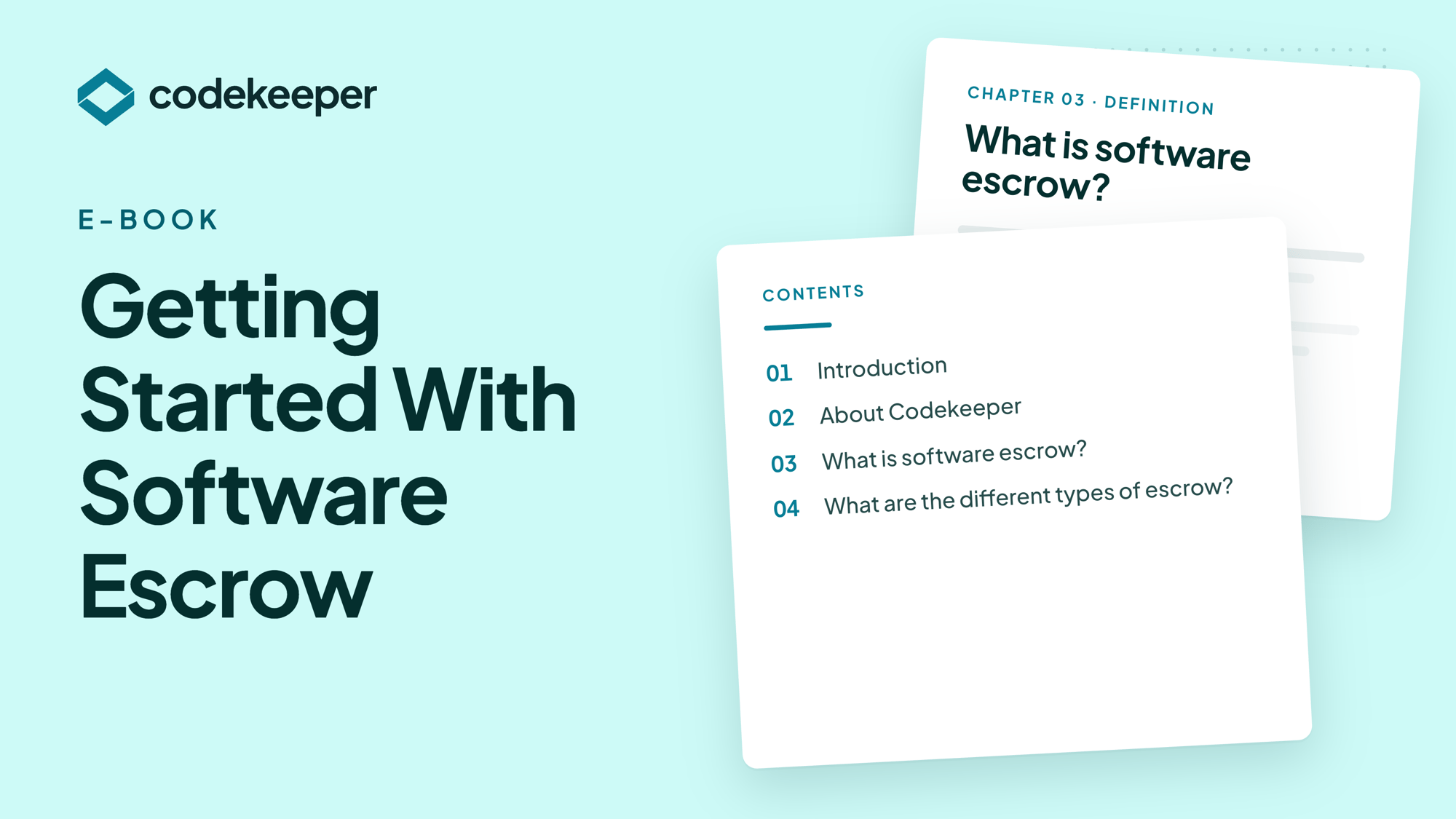
EBOOK
Learn how software escrow is implemented in practice
Download our free Getting Started with Software Escrow Guide, covering how escrow agreements are structured, what should be deposited, and how release events work.
Protect your software in 5 simple steps
We use a five-step process to help you protect critical software and stay operational.
1
Book a demo and choose a plan
We start by understanding which software is vital to your business.
This helps us recommend the right protection based on how your systems are actually used.
This helps us recommend the right protection based on how your systems are actually used.

2
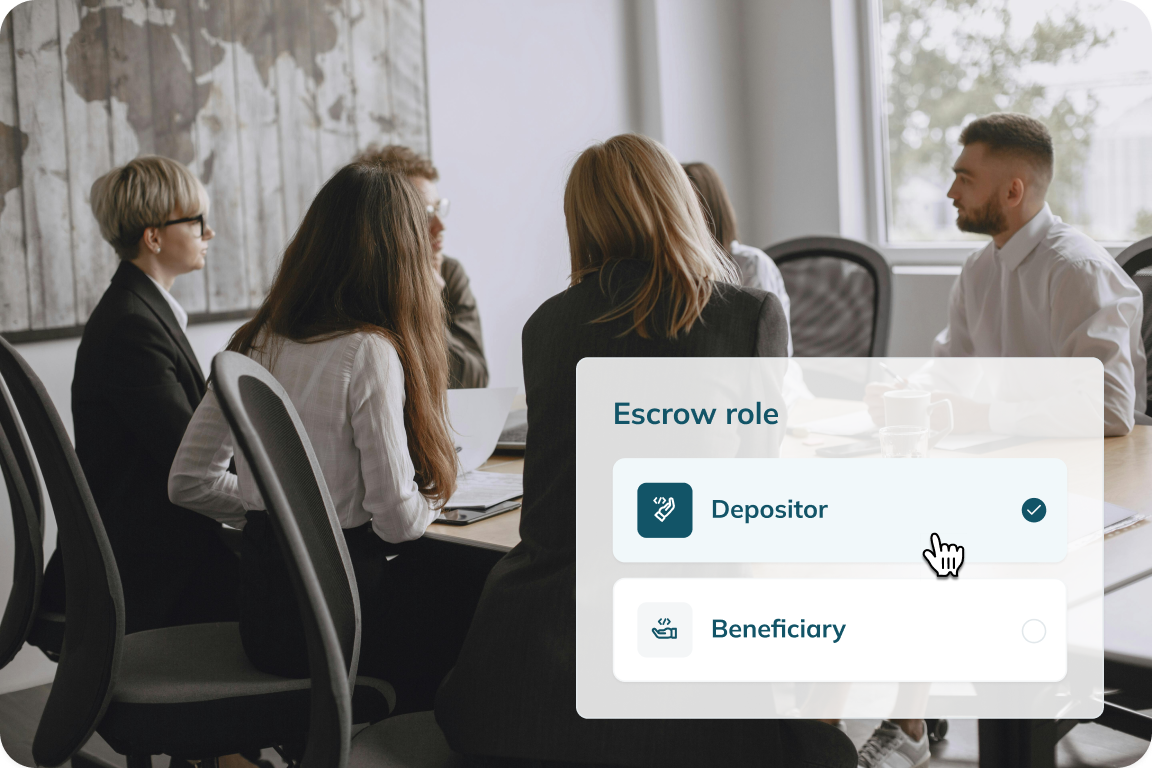
Invite your team and set up an escrow agreement
Our in-house team handles the escrow agreement for you.
We define clear release conditions upfront so you know exactly when access would be granted if a trigger event occurs.
We define clear release conditions upfront so you know exactly when access would be granted if a trigger event occurs.
3
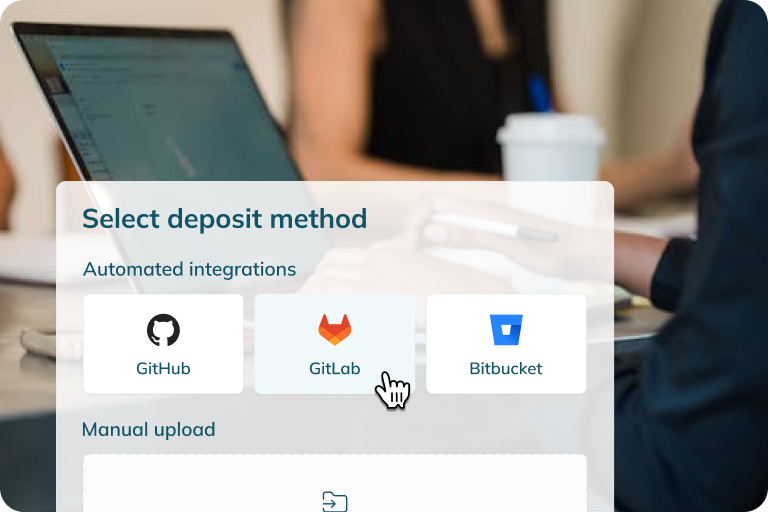
Upload deposits through integrations or manual uploads
Our platform works with the tools you already use. You can automatically sync software assets through over 50 integrations, or upload deposits manually when automation isn’t possible.
This ensures your escrow remains complete and up to date without extra effort.
This ensures your escrow remains complete and up to date without extra effort.
4
Order asset verification
While storing your software is essential, knowing it will work during a crisis is equally important. Our recovery and continuity testing processes check that your deposited assets are complete, intact, and usable if they’re ever needed.

5
Earn Software Resilience Certificates
Once verification is complete, we issue certificates that show your software is protected.
These are often used to demonstrate readiness to auditors, regulators, and stakeholders.
These are often used to demonstrate readiness to auditors, regulators, and stakeholders.


Get genuine peace of mind
Instead of worrying about software failure, attacks, or compliance gaps, you operate knowing your critical applications can be recovered, verified, and kept running — even when something goes wrong.

Software Backup
Protection scope:
Internal systems
Internal systems

Enables restoration of internal software assets after system failure or data loss

Minimizes downtime caused by operational mistakes or human error
Learn more

Software Escrow
Protection scope:
On-premises software
On-premises software

Maintains access to software when the original provider can no longer support it

Allows recovery during vendor failure, insolvency, or contractual disputes
Learn more

SaaS Escrow
Protection scope:
Cloud applications
Cloud applications

Preserves the components required to redeploy or transition SaaS software

Supports recovery following outages or loss of platform access
Learn more

AI systems
Protection scope:
AI systems
AI systems

Safeguards models, deployment assets, and operational workflows

Enables recovery if AI providers change terms or restrict availability
Learn more

Continuity Escrow
Protection scope:
Supporting services
Supporting services

Maintains access to critical third-party services and hosting environments

Helps sustain operations during dependency or infrastructure failures
Learn more
Custom Escrow
Protection scope:
System resilience
System resilience

Designed for complex architectures with multiple interdependencies

Extends recovery and continuity beyond standard escrow models
Request custom offer

Validated
Assurance scope: Is it complete?

Confirms all required materials are present before recovery is needed

Reduces the risk of missing assets during an incident
Learn more

Verified
Assurance scope: Is it current?

Continuously monitors escrowed materials for unexpected changes

Ensures deposited assets remain intact over time
Learn more

Certified
Assurance scope: Is it recoverable?

Actively tests whether escrowed materials can be deployed

Demonstrates recovery readiness before a real incident occurs
Learn more
Built for real software resilience
Codekeeper goes beyond traditional escrow — combining protection, verification, and continuity support to keep critical software accessible when it matters most.

Always-current software assets
Automated and manual deposits keep critical materials up to date so recovery doesn’t rely on outdated files.
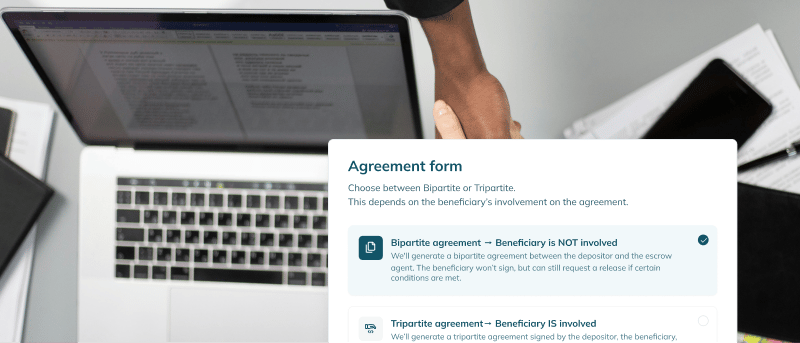
Defined release conditions
Escrow agreements clearly specify trigger events and release rules, removing uncertainty during incidents.

Verified recovery readiness
Build and completeness checks confirm your assets can be used, with certification to prove it.
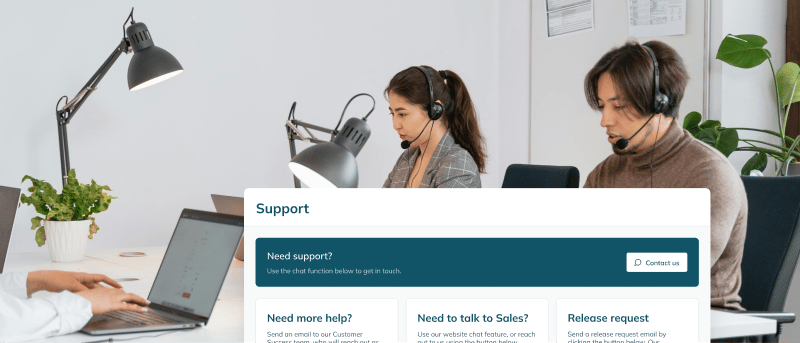
24/7 release support
Releases are processed through a secure, audited workflow whenever a trigger event occurs.
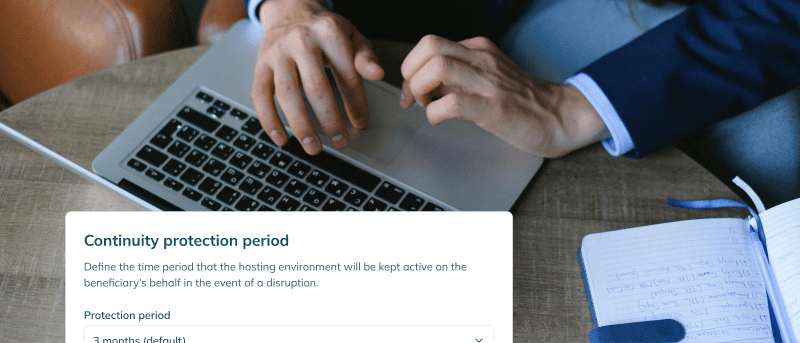
Continuity beyond access loss
Supporting services and dependencies can be covered to keep systems running during recovery or migration.

Centralized escrow management
Deposits, versions, verification status, and assurance levels are visible in one place when needed.
Success stories about software resilience
See how our clients transformed software risk into software resilience with Codekeeper.
CASE STUDY
How a Healthcare Network Protected Critical Systems From Vendor Risk
Learn how a vulnerable healthcare network secured their critical patient systems when their vendor faced collapse — with Codekeeper's Software Escrow to prevent operational disaster.
“Software Escrow has become as fundamental to our operational security as data backups.”
Download case study
CASE STUDY
Logistics Provider Maintains 100% Operations With SaaS Escrow When Vendor Disappears
Find out how a logistics company maintained uninterrupted operations after their essential SaaS vendor disappeared — with Codekeeper's SaaS Escrow solution to keep deliveries on schedule.
"The process was surprisingly straightforward — much less disruption than we anticipated."
Download case study
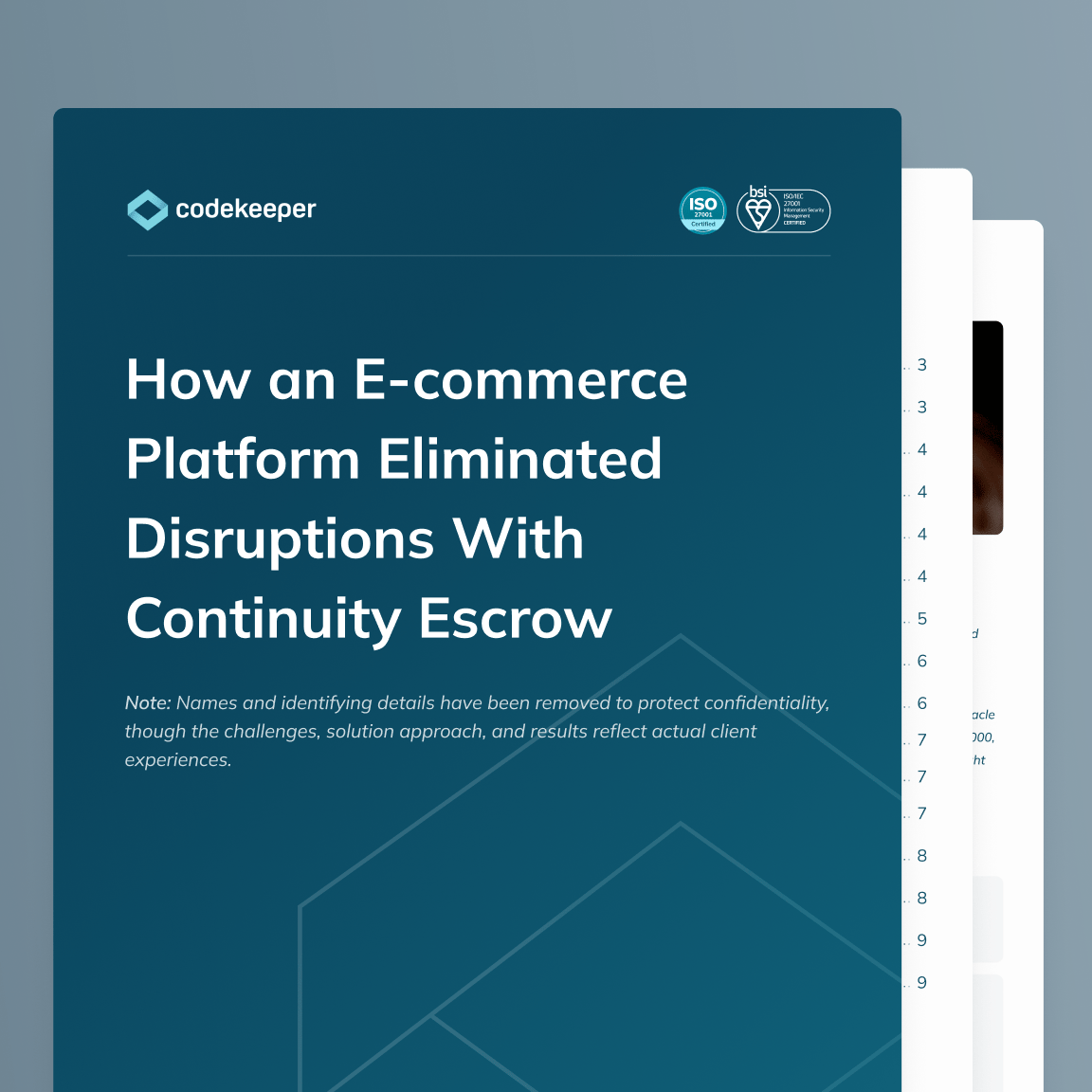
CASE STUDY
How an E-commerce Platform Eliminated Disruptions With Continuity Escrow
Explore how an e-commerce retailer eliminated payment disruptions and boosted customer satisfaction after their processor declared bankruptcy with Codekeeper's Continuity Escrow solution.
“Codekeeper's track record of quick deployment and proven continuity approach won us over.”
Download case study
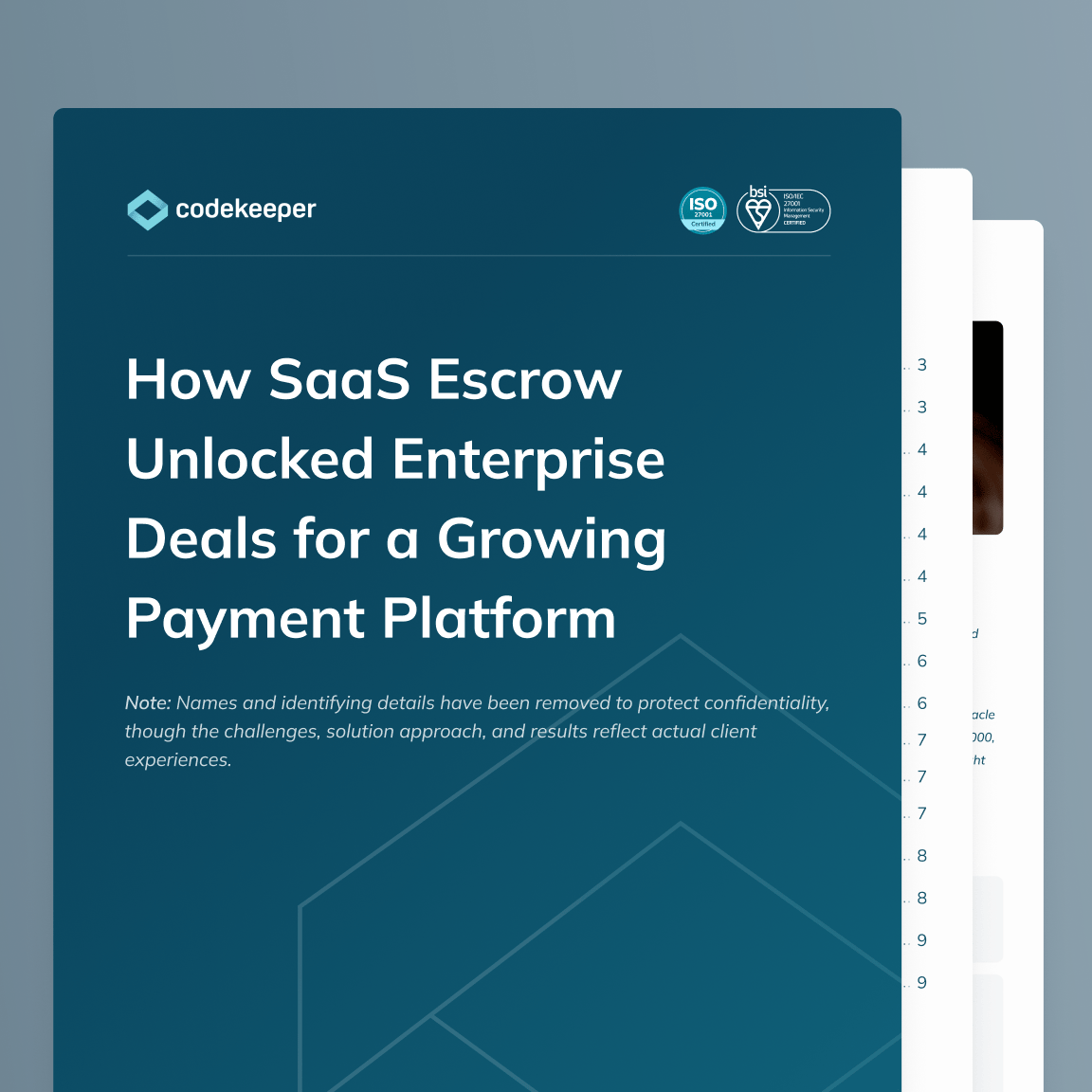
CASE STUDY
How SaaS Escrow Unlocked Enterprise Deals for a Growing Payment Platform
Discover how a growing payment platform overcame enterprise sales barriers and turned business continuity concerns into a competitive advantage with Codekeeper's SaaS Escrow solution.
"The escrow solution transformed our biggest sales obstacle into a competitive advantage."
Download case study
Want to see how escrow protects your software?
Take the first step toward guaranteed software resilience by scheduling your free escrow consultation today.
Our experts will analyze your specific needs and recommend the most effective protection strategy for your organization.

Can't see the meeting scheduler? Book a free consultation with our team here