October brings Cybersecurity Awareness Month (CASM) 2025. This year, the focus shifts from protecting personal devices to building resilient networks. Here's what you need to know about CASM 2025's approach and how your organization can build real cyber resilience.
What is Cybersecurity Awareness Month?
Cybersecurity Awareness Month is an annual global campaign held every October to help individuals and organizations improve their security practices. CISA and the National Cybersecurity Alliance launched it in 2004, and it has since become a global initiative with programs in dozens of countries.
Each country runs its own version with local adaptations. Canada's theme is "Get cyber safe — for future you," Australia calls for "Building our cyber safe culture," and the US campaigns under "Building a Cyber Strong America." While approaches vary, they share common goals: educating people about cyber threats, making security everyone's responsibility, and building resilience.
4 global shifts shaping CASM 2025
While each country takes its own approach, the different themes reveal shared priorities in how cybersecurity campaigns are evolving this year.
1. Critical infrastructure now includes everyone
Traditional cybersecurity focused on protecting power plants, hospitals, and government systems. This year's campaigns recognize that when any connected organization fails, the effects spread everywhere.
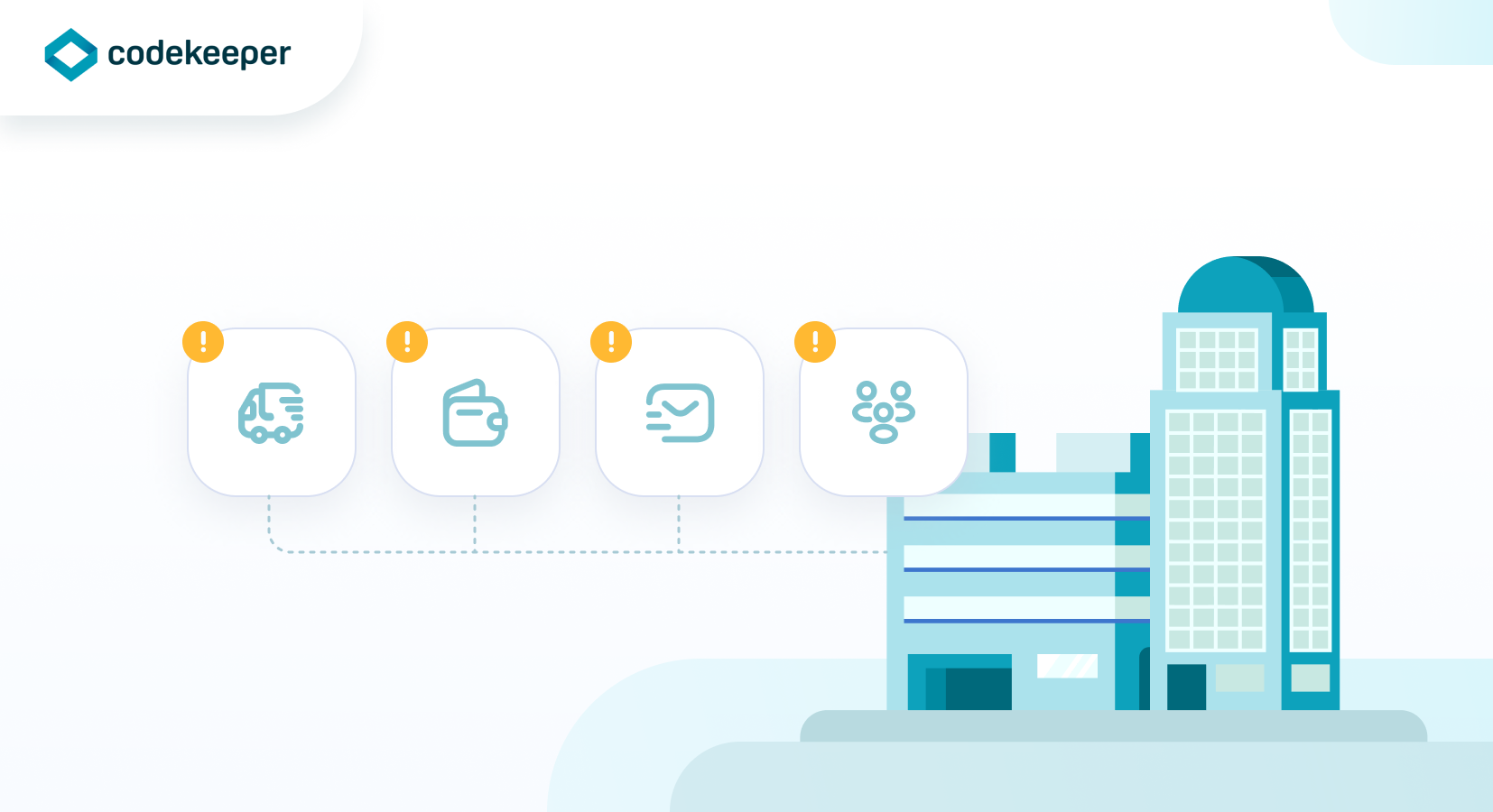
A ransomware attack on a small software vendor can shut down thousands of client businesses. A breach at a regional manufacturer disrupts supply chains across multiple industries. Local government systems that get compromised affect entire communities.
Countries worldwide now provide resources specifically designed for smaller organizations that lack dedicated security teams but whose compromise can cascade through the economy.
2. Security fundamentals take priority
Advanced persistent threats and zero-day exploits grab headlines, but they aren't what's breaking into most organizations. CASM 2025 campaigns first focus on the basics (Core 4):
- Strong passwords with password managers
- Multi-factor authentication on all accounts
- Phishing awareness and reporting
- Regular software updates
These aren't sophisticated defenses, but they block 90% of successful breaches.
3. Cybersecurity is everyone's responsibility
Cybersecurity decisions no longer happen only in IT departments. Marketing and Sales teams select new SaaS tools that store customer data. Finance departments approve vendor contracts that create supply chain risks. Executives make decisions about cloud migration that impact entire security architectures.
This distributed decision-making requires distributed awareness. The 2025 campaigns provide frameworks that help non-technical staff understand how their choices create security implications. They provide practical guidelines for assessing risks in everyday business decisions.
The goal: Ensuring that security considerations become part of normal business processes across all departments.
4. People are active defenders
The 2025 campaigns position employees as active participants in organizational defense rather than security risks to manage. This shift shows up in how organizations design their programs and measure success.
Security champion programs give motivated employees ways to help colleagues. Training integrates into professional development instead of standing alone as compliance requirements. Recognition programs celebrate good security behaviors alongside business achievements.
Organizations with strong security cultures see higher voluntary reporting rates and better incident response times. Employees become more confident handling suspicious situations when they feel supported rather than blamed for security concerns.
Why the emphasis on resilience?
The shift toward resilience reflects three realities that traditional cybersecurity approaches can't address:
- Prevention has limits: Organizations face thousands of potential vulnerabilities and millions of daily attack attempts. Attackers need just one success while defenders must succeed every time. Companies that accept this reality and plan for breaches outperform those chasing perfect prevention.
- Regulators now require resilience: New regulations, like the Digital Operational Resilience Act (DORA), Network and Information Security Directive 2 (NIS2), and Cyber Resilience Act (CRA), require organizations to prove they can maintain operations during incidents, not just prevent them. Compliance now means demonstrating resilience through testing, documentation, and recovery capabilities.
- Attack speed outpaces human response: Automated ransomware can encrypt entire networks in minutes, faster than security teams can detect and respond. By the time defenders see the first alert, damage is often done. This speed gap makes pre-planned resilience essential rather than reactive incident response.
Resilience doesn't replace prevention. But it does acknowledge that when defenses fail, organizations need systems and processes that keep running. This requires tested backups, alternative operational procedures, clear communication plans, and practiced recovery processes that work under pressure.
How to participate in Cybersecurity Awareness Month 2025
October's focus on resilience provides a framework for building stronger security practices that last beyond the campaign.
Start with the fundamentals
Implement the Core 4 across your organization: password managers for all employees, multi-factor authentication on every account, phishing awareness training that people actually remember, and automatic software updates.
Track adoption rates rather than training completion rates.
Map your critical dependencies
Identify what systems must keep running during an incident and what can pause temporarily. Document every vendor, service, and process that could create single points of failure.
Most organizations discover they're more interconnected than they realized.
Test your assumptions
Run tabletop exercises that simulate realistic failure scenarios. Test backup restoration, practice manual processes, and verify that communication plans work when primary systems are down.
Most continuity plans fail during actual incidents because they were never tested under stress.
Build security culture, not compliance culture
Create security champion programs that give motivated employees ways to help colleagues. Celebrate good security behaviors alongside business achievements. Measure success through voluntary reporting rates and employee confidence rather than training metrics.
Make security part of business decisions
Provide frameworks that help non-technical teams understand how their choices affect security. Marketing and Sales need guidelines for evaluating new tools. Finance needs criteria for assessing vendor risks. Make security considerations part of normal business processes.
Focus on building systems and cultures that can maintain operations when attacks succeed.
Join us throughout October
Throughout October, we'll explore different aspects of cyber resilience, from software supply chain security to building incident response capabilities. Each week covers practical strategies that work for organizations of any size.
Our upcoming topics include the evolution of escrow solutions, creating security-aware cultures, and building operational continuity that works during crises.
Assess your resilience
This year's Cybersecurity Awareness Month reflects how organizations worldwide are rethinking cybersecurity. Countries from Canada to Australia are teaching the same lesson: organizations that build resilience into their systems and culture handle incidents better than those chasing perfect prevention.
Building this kind of resilience starts with understanding where your organization stands today. Our free risk assessment examines your software dependencies, vendor relationships, and recovery capabilities to identify gaps and provide specific recommendations.
» Ready to evaluate where you stand? Get your free risk report today