

Ransomware (2)
SonicWall has confirmed that recent ransomware attacks targeting its SSL VPN products weren't caused by a new zero-day vulnerability, but rather were the result of attackers exploiting the previously patched CVE-2024-40766 flaw. The attacks affected fewer than 40 customers and appear linked to legacy credentials left over during migrations from Generation 6 to Generation 7 firewalls.
Attackers exploited outdated or weak credentials that weren't updated during hardware upgrades. SonicWall is urging customers to immediately change their credentials and upgrade to SonicOS 7.3.0, which includes enhanced multi-factor authentication, login attempt lockouts, and stronger password policies to prevent future attacks.
Source: Cyber Security News
Kidney dialysis provider DaVita suffered a massive ransomware attack in April 2025 that compromised personal information of more than one million people. The Interlock ransomware gang accessed DaVita's dialysis labs database, stealing names, Social Security numbers, medical records, financial details, and even images of personal checks.
The breach affected both DaVita patients and individuals whose lab results were processed by DaVita Labs for other healthcare providers. DaVita has offered free credit monitoring and identity protection services to victims.
The attack cost DaVita $13.5 million in remediation expenses and disrupted patient care. This ranks as the seventh largest data breach of 2025 and highlights the growing threat ransomware poses to healthcare systems nationwide.
Source: SecurityWeek
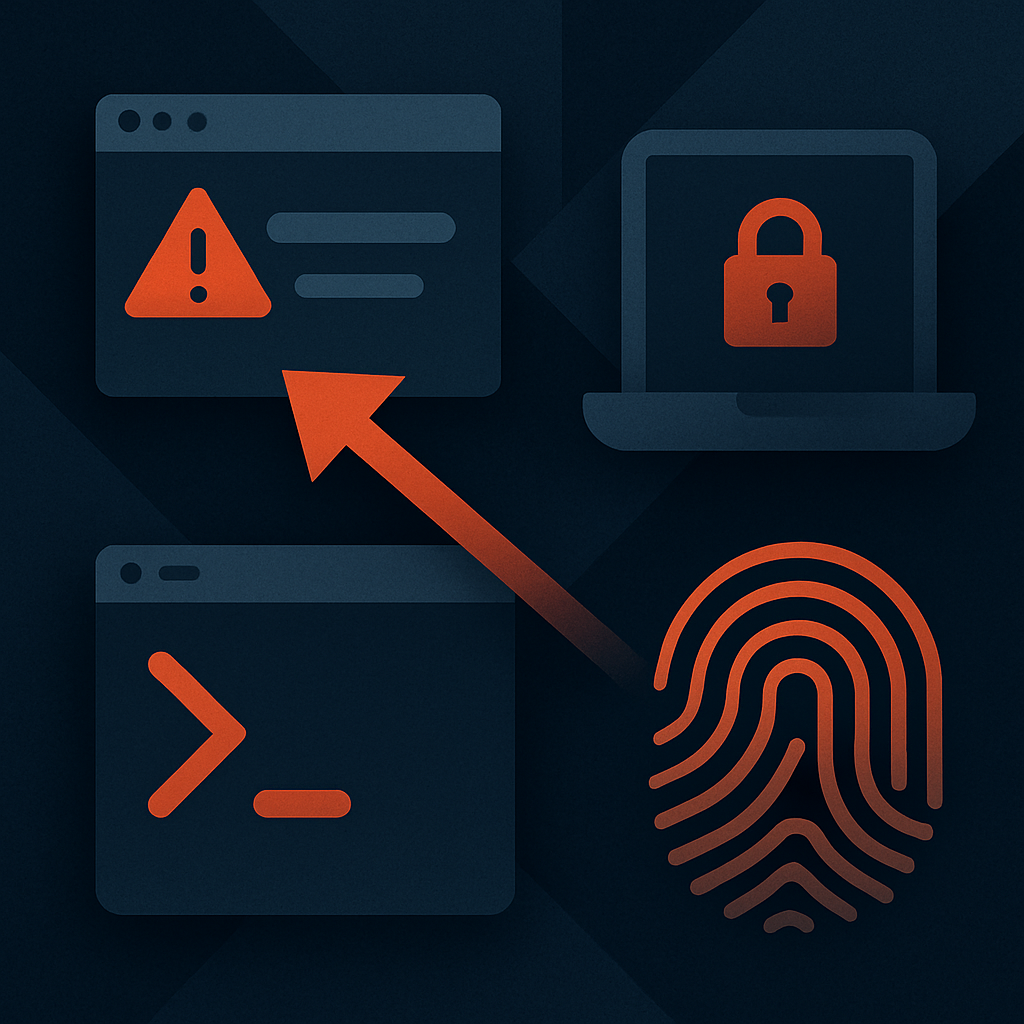
Cybercriminals are deploying Interlock ransomware through a clever social engineering trick called ClickFix. Victims visit compromised websites that display fake error messages, prompting them to copy and run malicious PowerShell commands that appear to fix technical issues.
Active since September 2024, the ransomware has targeted organizations across North America and Europe using double extortion tactics. The malware fingerprints victim systems to identify high-value targets while avoiding security researchers. eSentire analysts discovered the sophisticated attack chain in July 2025, revealing multi-layered techniques involving PowerShell scripts and custom remote access tools.
Source: Cyber Security News
Cybercriminals behind Akira ransomware are exploiting SonicWall SSL VPN devices in what appears to be a zero-day attack, successfully breaching fully-patched systems. The attacks target organizations using SonicWall's VPN infrastructure, raising serious concerns about a previously unknown vulnerability.
Since the compromised devices were up-to-date with security patches, security experts suspect attackers discovered and weaponized a new flaw before SonicWall could address it. Organizations using SonicWall VPNs face immediate risk and should monitor their networks closely for suspicious activity while awaiting official patches.
Source: The Hacker News
A new wave of ransomware attacks may be exploiting an unknown zero-day vulnerability in SonicWall firewall devices, researchers warn. Arctic Wolf detected suspicious activity starting July 15, when hackers used VPN access through SonicWall SSL VPNs to launch intrusions the following week. The attackers deployed Akira ransomware in hands-on attacks after compromising the devices.
What's particularly concerning: hackers breached fully patched SonicWall systems with rotated credentials and even bypassed multi-factor authentication. This echoes similar attacks from 2024 targeting CVE-2024-40766. Arctic Wolf's investigation remains preliminary, but the pattern suggests a serious new threat to SonicWall users.
Source: Cybersecurity Dive
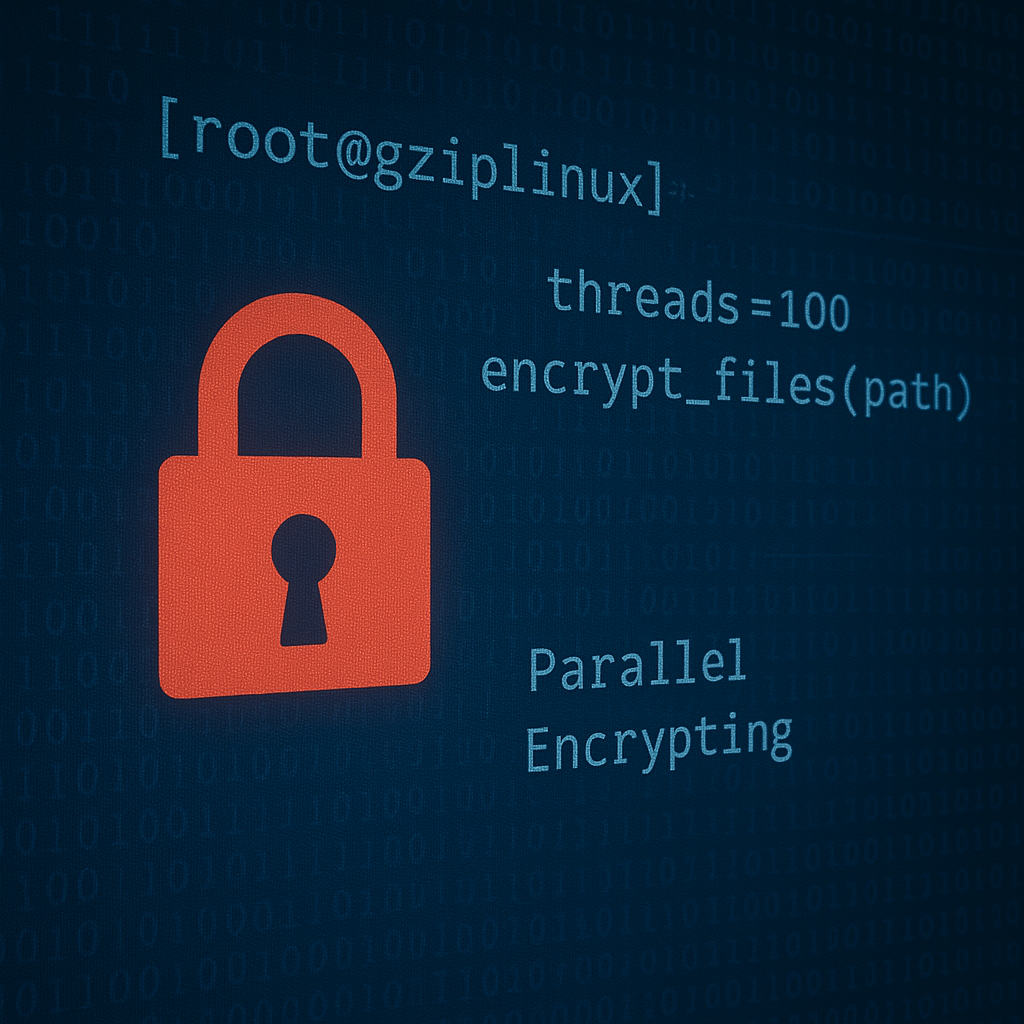
The Gunra ransomware group, which emerged in April targeting Windows systems, has released a sophisticated Linux variant capable of running 100 parallel encryption threads—double what most ransomware allows. This cross-platform expansion makes Gunra particularly dangerous, offering attackers unprecedented speed and flexibility in file encryption.
The group gained notoriety by allegedly leaking 40TB of hospital data in May and has since targeted victims across Brazil, Japan, Canada, Turkey, South Korea, Taiwan, and the US. Unlike its Windows version, the Linux variant skips ransom notes and focuses purely on rapid, configurable encryption. Trend Micro researchers warn organizations to monitor this fast-evolving threat closely.
Source: Dark Reading
Google researchers exposed UNC3944, a ransomware group targeting US retail, airline, and insurance companies through sophisticated phone scams. The hackers call IT help desks pretending to be employees, trick staff into resetting passwords, then use stolen credentials to access virtual server systems and deploy ransomware within hours.
Unlike typical cyberattacks, they don't use malware but manipulate legitimate administrative tools, making detection extremely difficult. The group's activity declined after 2024 law enforcement actions. But other ransomware groups are now copying these tactics, making this a growing threat requiring immediate defensive action.
Source: Industrial Cyber
The Scattered Spider cybercrime group launched sophisticated ransomware attacks on July 28, 2025, targeting VMware ESXi servers across critical U.S. infrastructure including retail and airline sectors. The hackers used stolen credentials and social engineering to hijack ESXi hypervisors, encrypting multiple virtual machines at once and causing widespread business disruptions.
CISA issued an urgent advisory urging organizations to patch vulnerable ESXi systems and strengthen access controls. Security experts say their evolving tactics make detection increasingly difficult for defenders. The attacks underscore urgent concerns about ransomware threats to virtualized environments that many organizations rely on for core operations.
Source: The Hacker News
A new ransomware group called Chaos has launched attacks across multiple sectors, primarily targeting US organizations with some victims in the UK, New Zealand, and India. The gang, which emerged in February 2025, uses sophisticated social engineering tactics—flooding targets with spam emails then impersonating IT security staff over phone calls to trick victims into granting remote access via Microsoft Quick Assist.
Cisco Talos researchers believe Chaos is likely formed by former BlackSuit/Royal gang members based on similar encryption methods and ransom note structures. The group demands large ransoms (one case involved $300,000) and threatens DDoS attacks plus data disclosure if victims don't pay.
Source: Infosecurity
Ingram Micro, a major technology distributor with $48 billion in annual sales, confirmed a ransomware attack has disrupted its operations for days. The breach, attributed to the SafePay ransomware group, has halted software licensing services and left customers unable to access products dependent on the company's backend systems.
Sources suggest hackers breached Ingram Micro through Palo Alto's GlobalProtect VPN using stolen credentials. SafePay, active since November 2024 with over 220 victims, has previously targeted organizations across multiple countries. The company's website remains down, with customers reporting continued inability to access portals or receive email responses from departments.
Source: BankInfoSecurity