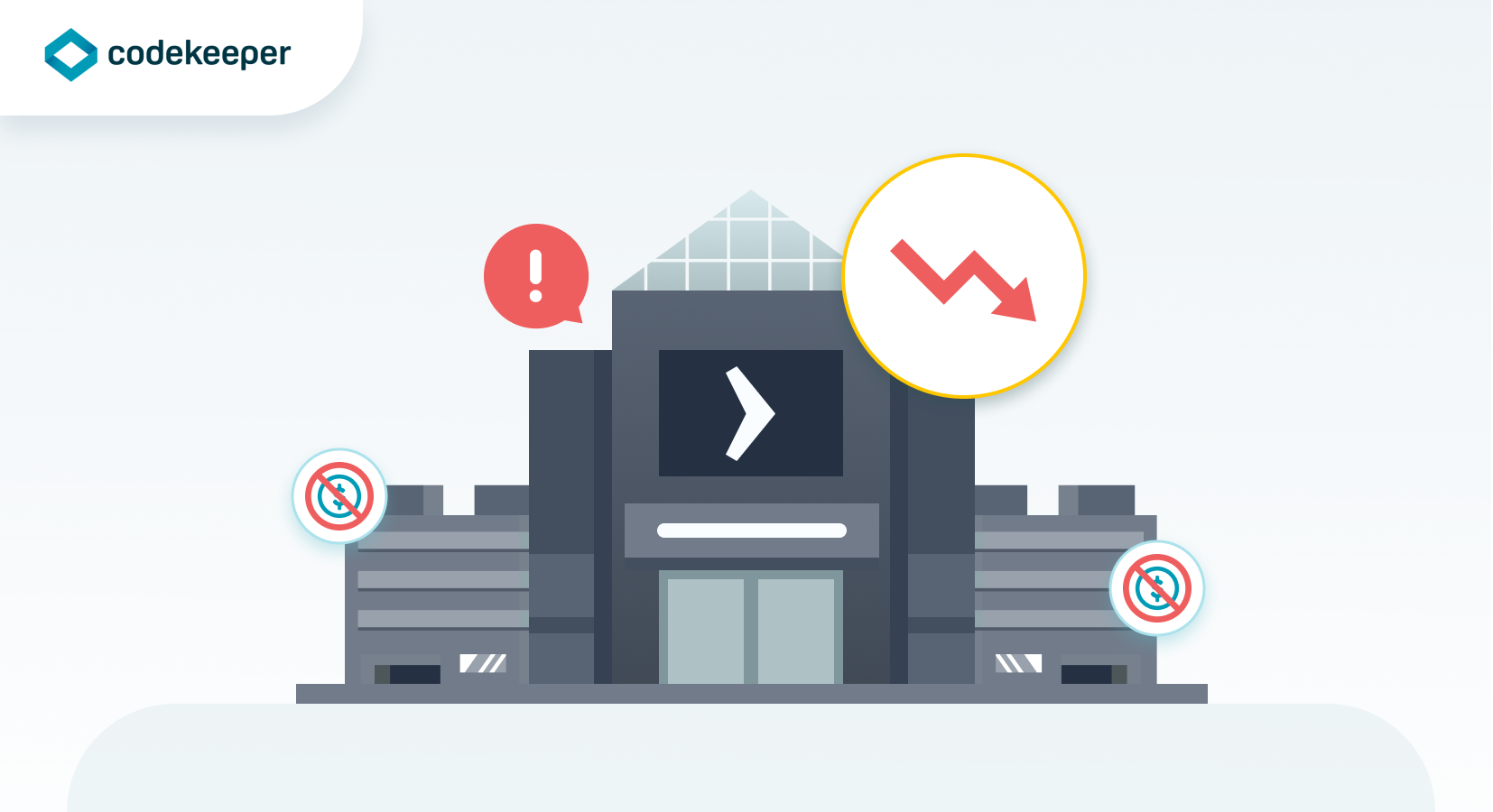
When Steward Health Care filed for bankruptcy in May 2024 with $9 billion in liabilities, the consequences went beyond financial collapse. At St. Elizabeth's Medical Center, missing surgical supplies contributed to a patient's death after childbirth — an incident Massachusetts regulators cited as "immediate jeopardy." While Good Samaritan Medical Center, the region's only trauma center, operated with dangerously low supplies for trauma patients.
Steward's collapse isn't an isolated event. In 2024 alone, cyberattacks and system failures affected 259 million Americans.
Healthcare runs on software, from electronic health records to medical imaging systems to life-support equipment. When these systems fail, patient safety is compromised.
This article examines how healthcare institutions can protect themselves from vendor failures and system disruptions. You'll learn how software escrow ensures continuity when critical systems fail, how it addresses HIPAA and FDA requirements, and how to implement protection for your institution's most vulnerable dependencies.
Healthcare's digital dependency problem
In February 2024, ransomware shut down Change Healthcare's operations for six months. They're responsible for processing 40% of all US healthcare claims — 15 billion transactions annually.
When attackers breached their systems, 192.7 million Americans were affected. That's 58% of the US population compromised through a single vendor.
The healthcare industry has consolidated around a handful of critical vendors. When one fails, the entire system pays the price. That includes electronic health records, medical imaging systems, and diagnostic tools. These tools help achieve better outcomes, improved coordination, and enhanced efficiency. But they're over-reliant on software vendors.
During failures, emergency departments can't wait for systems to come back online. And when intensive care units need immediate access to patient data and surgical suites require real-time monitoring. That's too many lives hanging in the balance over poor infrastructure.
Regulatory consequences of vendor failures in healthcare
On top of the immediate risks of software failure, the industry also grapples with intricate compliance regulations.
Healthcare institutions face a web of strict regulations that make software failures even more disastrous. The HIPAA and HITECH Acts impose severe financial penalties when systems fail to protect patient information. Recent enforcement shows regulators are responding aggressively, and with good reason:
What's more, medical device software is now subject to heightened FDA scrutiny. The agency's June 2025 final guidance made cybersecurity a standalone market authorization requirement — failure to meet cybersecurity standards can result in a ban.
Regulations are becoming stricter because threats to software — specifically those used in patient care — keep on evolving.
The escalating threat of healthcare ransomware
Cybercriminals target healthcare because hospitals can't afford downtime when lives are at stake.
Average ransomware payments reached $4.4 million in 2024.
The May 2024 Ascension Health attack affected 5.6 million individuals across 140 hospitals. This caused EHR access to take six weeks to restore. During the outage, a NICU nurse nearly administered the wrong narcotic dose to an infant because paper forms "hadn't seen the light of day in a long, long time."
Another incident, the McLaren Health attack in August 2024, caused operational chaos across 13 hospitals, leading to:
- Cancer radiation therapy cancellations
- Ambulance diversions at multiple facilities
- Employee payroll disruptions
When vendors experience ransomware attacks, their clients inherit the operational consequences. A single compromised vendor can cascade across hundreds of healthcare organizations simultaneously.
Why healthcare institutions need a software escrow safety net
Software escrow guarantees access to critical systems regardless of what happens to your vendor. Think of it as an insurance policy for your software dependencies. When Change Healthcare went down, hospitals with escrow arrangements had clean copies available. Those without escrow waited six months.
A proper healthcare software escrow includes:
- Complete source code
- Technical documentation
- Database schemas
- Configuration files
- Deployment procedures
For medical device software, escrow arrangements provide everything needed to maintain FDA-regulated systems safely. This includes validation documentation, safety protocols, and technical specifications required for continued compliance.
Staying HIPAA compliant when vendors fail
Software escrow also directly addresses HIPAA requirements by ensuring you maintain control over protected health information when vendors can't fulfill their obligations.
The legal framework establishes clear data governance and access controls that align with HIPAA privacy and security requirements. It gives you legal custody of PHI before failures occur. And designates you as the authorized party to access escrowed materials containing patient data
During regulatory audits, this pre-established legal framework demonstrates you planned for vendor failure and won't be left without a recovery plan when patient data suddenly becomes inaccessible.
Medical device software resilience
Additionally, medical device software failures create immediate physical risk, making resilience and continuity arrangements even more critical for life-sustaining and high-risk systems. Escrow for medical device software ensures you maintain access to FDA-regulated systems throughout vendor life cycles, mitigating the risk of patient harm.
And for Class III medical devices — those sustaining life or posing significant risk — escrow provides the complete technical documentation needed to maintain premarket approval obligations, including the FDA-required software specifications and design documentation.
Verification components also align with FDA software life cycle requirements by confirming escrowed materials include all necessary documentation for continued safe operation.
Getting started with healthcare software escrow
Understanding why escrow matters is the first step. The second is identifying which systems in your institution require protection and building a strategy that addresses your specific risks.
If you depend on a single vendor for any system where failure would force paper-based workarounds or divert patient care, escrow is essential.
Start with a thorough risk assessment that prioritizes patient safety and care continuity. Identify all critical software systems that directly impact patient care:
- Electronic health records
- Medical device software
- Diagnostic systems
- Patient monitoring equipment
Then, evaluate your vendors' financial stability, regulatory compliance history, and cybersecurity posture. Quantify immediate and long-term risks of software vendor failures on patient safety.
While a risk assessment identifies what to protect, ongoing management ensures that protection remains effective as your systems evolve and threats change.
» Learn more about how escrow agreements protect you against service failure
Managing your escrow strategy
Healthcare software escrow isn't "set and forget" insurance — it requires active management as systems evolve and regulations change.
Implement systematic processes for:
- Monitoring vendor compliance with deposit requirements
- Tracking critical updates affecting patient safety
- Conducting clinical integration testing
- Running emergency preparedness exercises
When vendor failures happen, institutions with active escrow management deploy their systems within hours.
» Find out how verified escrow guarantees recovery
Patient safety depends on software resilience
Vendor relationships end without warning, and healthcare organizations that aren't prepared watch patient care collapse in real time. Software escrow provides the fail-safe your institution needs to ensure continuous patient care regardless of vendor circumstances.
Don't wait for a vendor crisis to threaten patient safety. Every day you delay implementing software escrow is another day your patients remain vulnerable.
» Book a call, and our experts will walk you through how software escrow can protect your healthcare institution's software