



Software Backup
Software backups that run themselves, built for your compliance.
Prove your disaster recovery capability with Codekeeper's certified Software Backup, where encrypted vaults, verified certificates, and immutable activity logs supply the compliance evidence you need.
Live within 24 hours.
From
$99
/mo
Unlimited deposits · Daily syncs · Software Resilience Certificate included
Trusted by 3 500+ teams in 150 countries — including the companies that can't afford downtime







What are software backups?
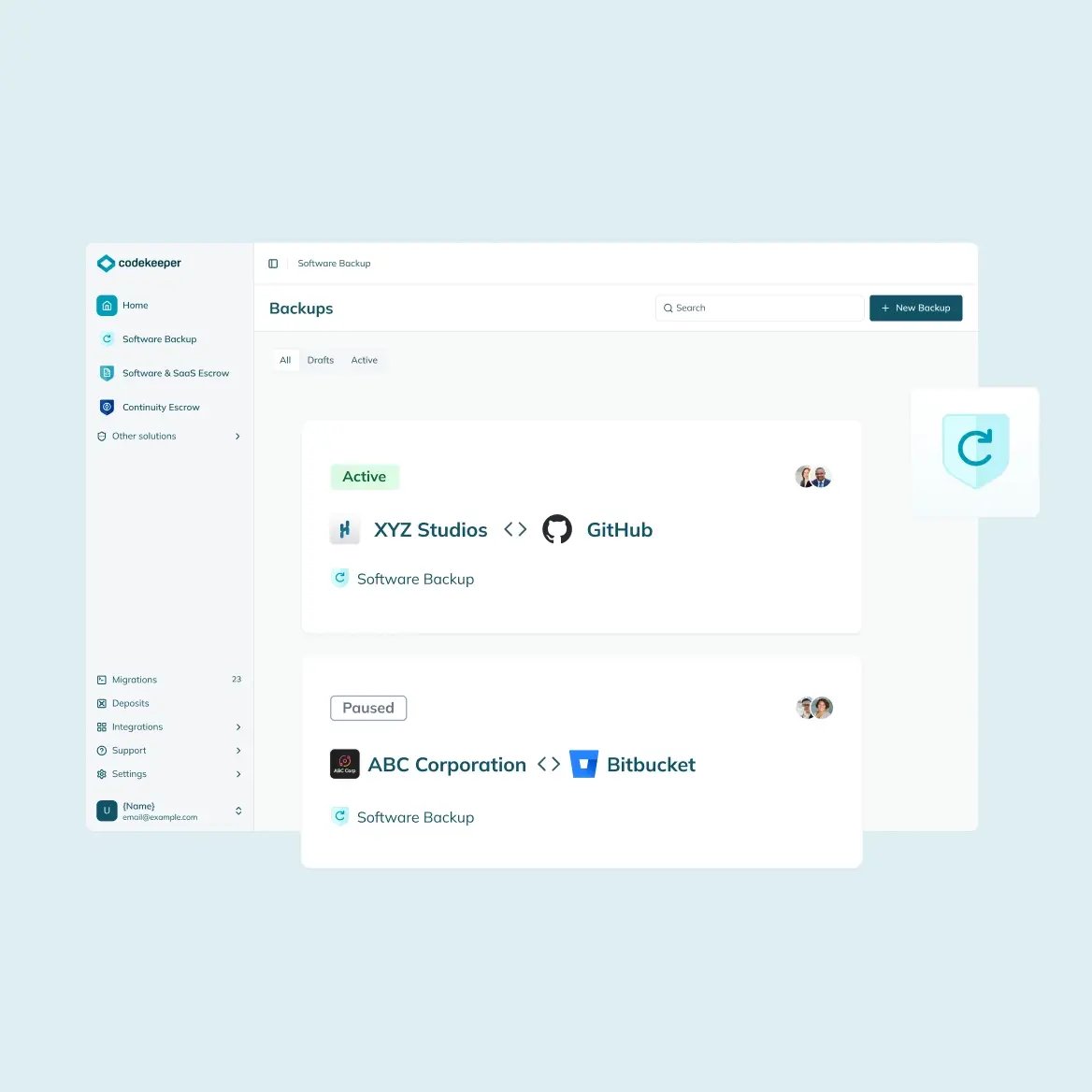
Software backups are protected copies of your application code, databases, configurations, and digital assets, that are secured independently from production in immutable vaults. Codekeeper keeps them current through automated daily syncs, so your software environment can be restored after a disaster.
Software backup prevents:
- Data loss — corruption, deletion, or a ransomware attack that reaches production and takes your live systems with it.
- Failed audits — untested recovery procedures and missing audit trails that cost you the compliance certification you hold.
- Slow recovery — a DR plan that fails in practice, pulling your team into weeks of rebuilding before operations resume.
Daily backups you can't verify are backups an auditor won't credit. Without proof they work, the audit fails, and a failed audit costs you certifications.

Your backup compliance doesn't have to take up a sprint
Setting up a backup is the easy part. Proving it aligns with your compliance requirements is a chore. For firms under FCA and PRA operational resilience rules, that means documented recovery of an important business service within its impact tolerance. Our immutable backup vaults sync with your deposits daily, producing continuous audit trails and verified certificates.
3 500+
teams have relied on Codekeeper to keep their software recoverable across the past decade.
You can count on us too.
Everything a Software Backup deposit secures
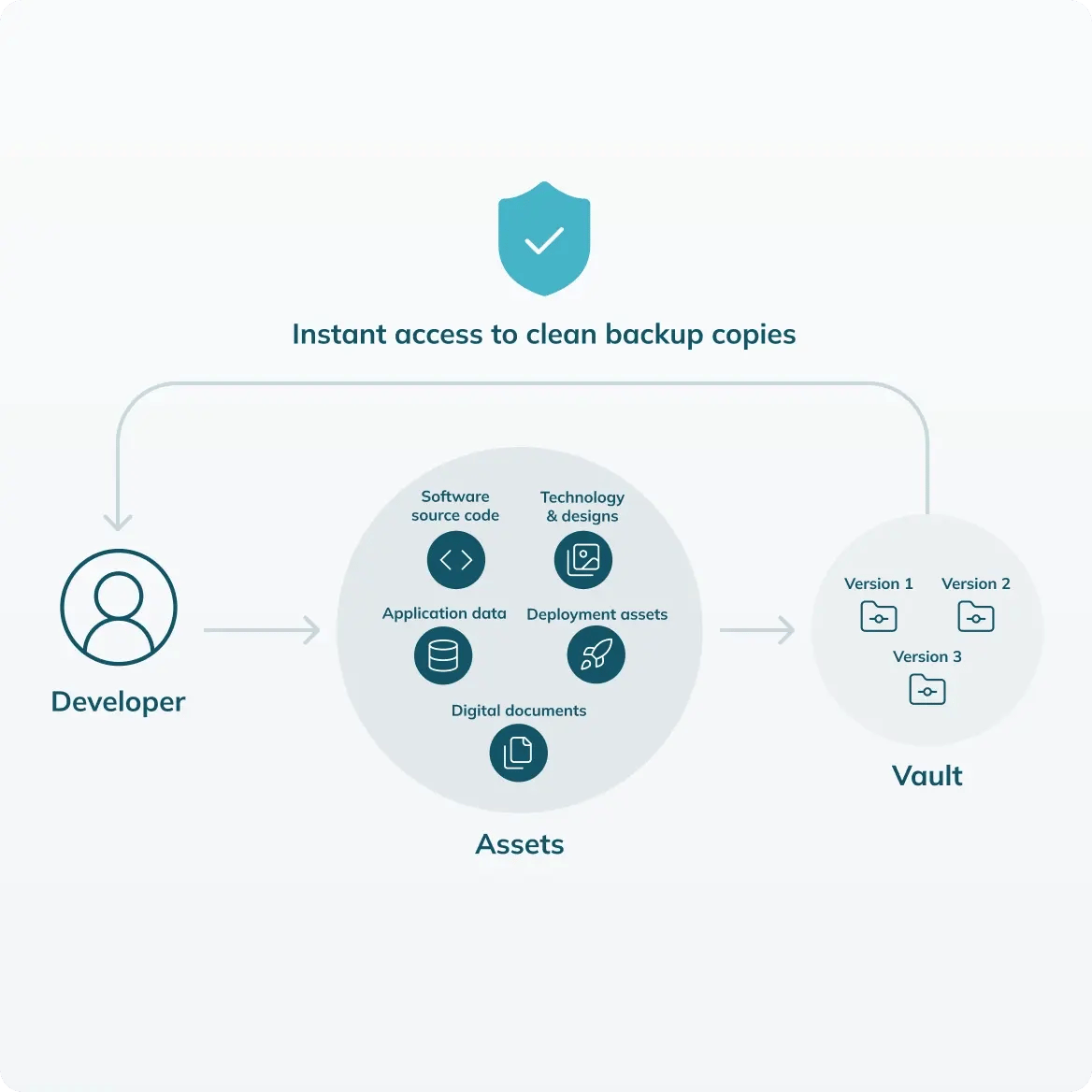
Software Backup can safeguard any asset your systems rely on:
Software source code
The entire application codebase and its version history, ready for a fast restore after deletion or corruption.

Application data
Databases and business-critical information, held complete so operations continue and records stay intact.
Deployment assets
Everything that reconstructs a working environment: build scripts, environment files, and configuration settings.

Technology & designs
Proprietary inventions and technical designs, held beyond the reach of attackers and competitors.

Digital documents
Technical specifications, documentation, and business-critical files, timestamped automatically as proof of ownership.
Automated and manual uploads
Unlimited storage included
Instant download access
We integrate with the systems you already use
Your IT team only has to set aside a few minutes to run a single setup. After that, certificates and audit trails arrive automatically, with no further technical work.
View all integrations








Ready-to-use compliance documentation when you need it
Software Backup produces the evidence your auditors are looking for without adding admin to your workload.
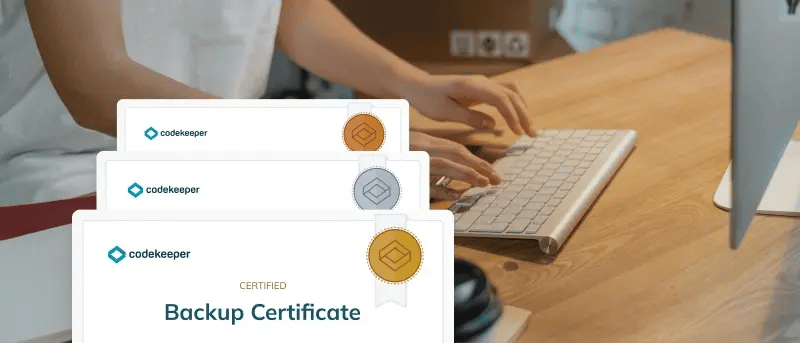
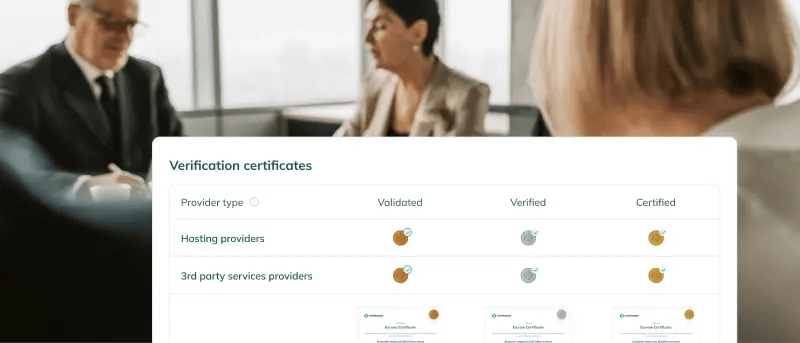
Verified backup certificates
Get formal certificates that document your backup practices for ISO 27001, SOC 2, UK GDPR, and other obligations, with no extra fees and no manual effort.
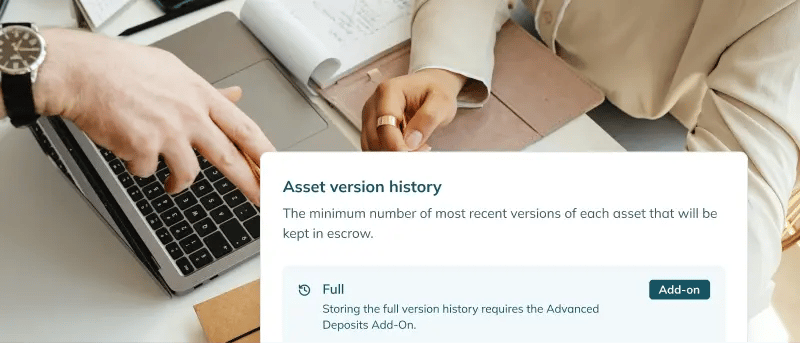
Tamper-proof audit trails
Keep a complete, secure record of every backup, timestamped and version-tracked, ready for auditors to check during a regulatory review.

Hands-on help with implementation
Our team walks you through the whole implementation so your backup setup meets every compliance requirement from day one.
Self-service for compliance teams
Automated compliance evidence generation
24/7 technical support
Tamper-proof vaults with room to grow
Your backup infrastructure deserves protection as strong as production, especially since ransomware tends to hit backup systems first. We hold yours under ISO 27001 certified security so you can rest easy.
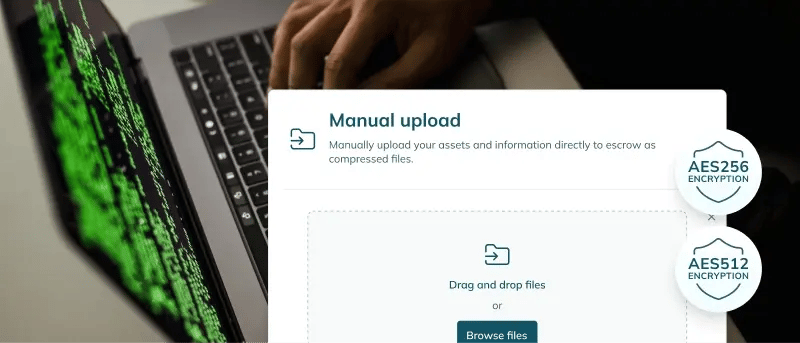
AES256/512 encryption
Your repositories and data are held under military-grade encryption in transit and at rest, so critical assets stay protected throughout.
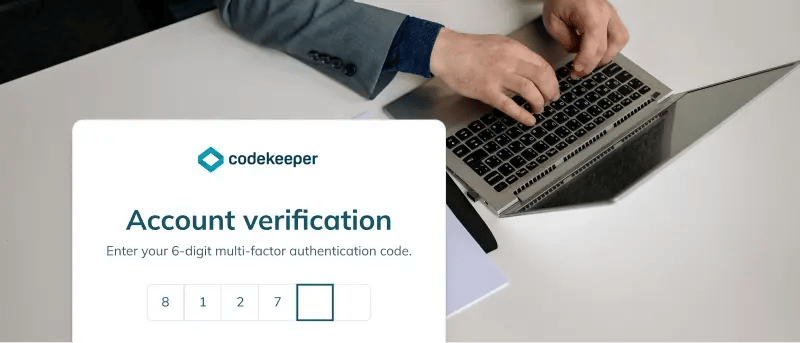
Multi-factor authentication
Layered access controls make sure only authorised team members reach your backups and block any unauthorised retrieval.
Backup management in one place
One dashboard oversees every repository, whether it lives in GitHub, GitLab, Bitbucket, Azure DevOps, or elsewhere.
ISO 27001 certified
Zero-trust access
Backup isolation from production networks
Choose backups that prove they restore
Secure copies on their own aren't enough. Software Backup stores your critical assets and verification testing confirms they can genuinely be recovered, giving compliance the two things it asks for: safe storage and proof that restoration works.

Validated
FREE
Automated scans check that every required item landed in your backups.
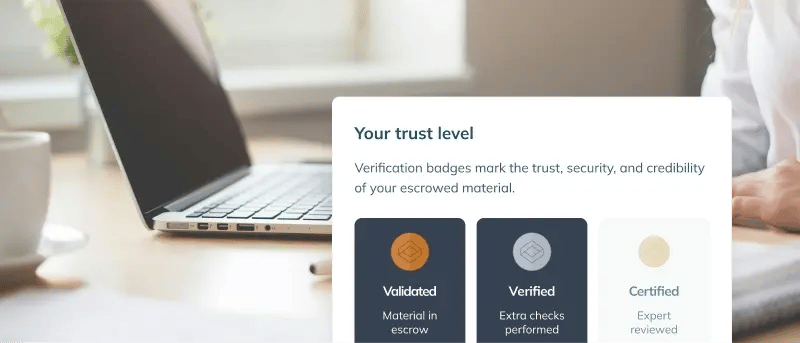
Verified
Automated monitoring watches backup activity to confirm file integrity, complete content, and sound structure.
Certified
Our engineers run build testing, deployment checks, and functional testing to prove full recovery is possible.
Compare all verification levels
When compliance calls for backup proof, Software Backup is the right move.
Most organisations find their backup gaps mid-audit or mid-disaster. You can spot and close yours now with a free risk assessment from our team.
Your assessment covers:
- The holes an auditor would find in your recovery paperwork
- A clear read on what your backup setup really requires
- Advice on the right verification tier for your regulatory obligations
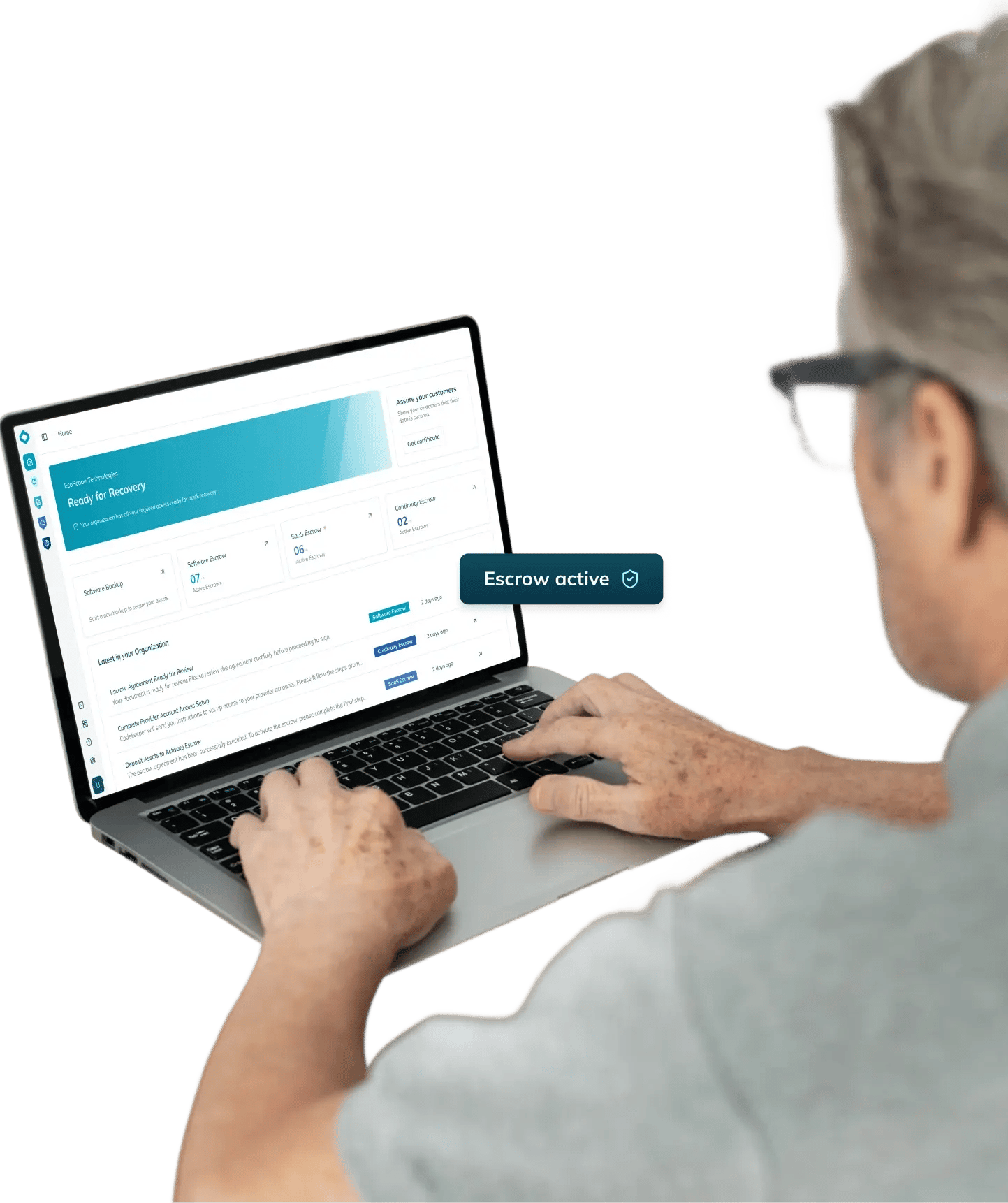
Protecting other kinds of software?
See the full Codekeeper software resilience platform.
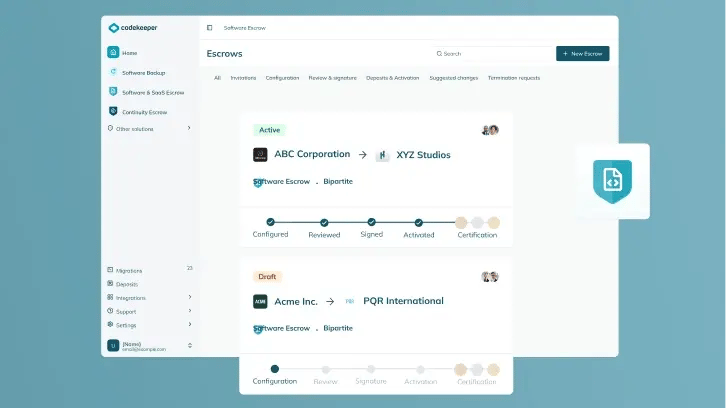
Software Escrow
Reach on-premises software assets the instant a critical system needs bringing back.
Learn more
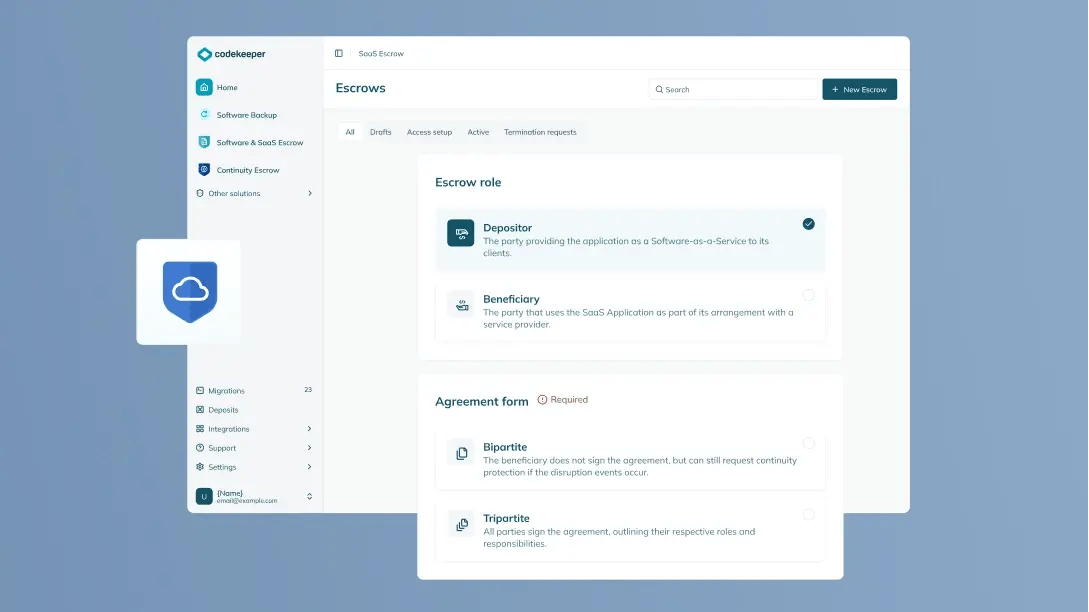
SaaS Escrow
Never lose your line to the SaaS apps, data, and dependencies you run on.
Learn more
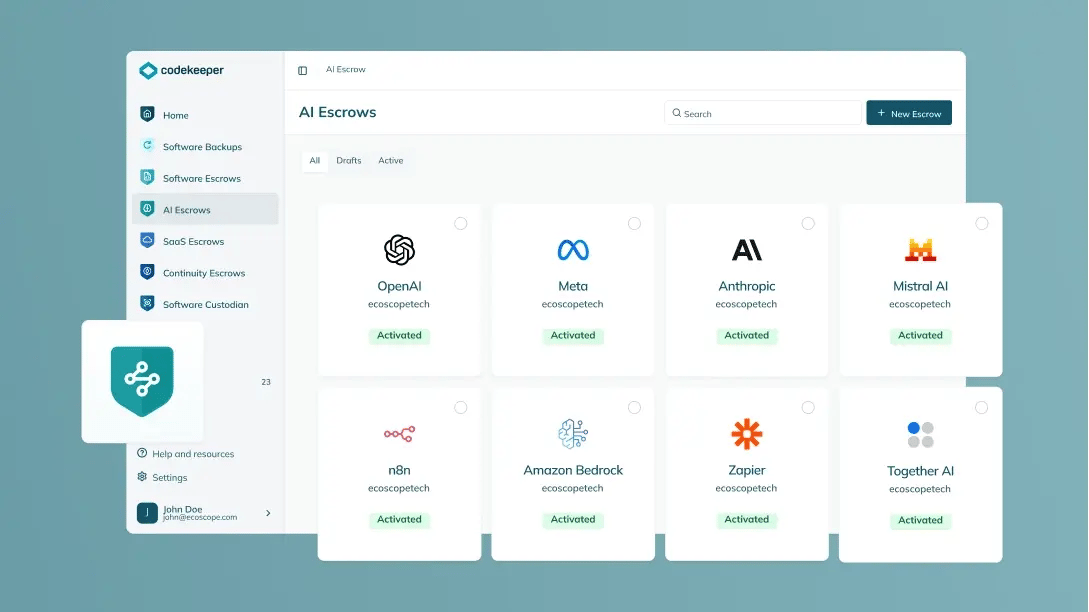
AI Escrow
Safeguard the whole AI stack, from model deployments to workflows, agents, and prompts.
Learn more
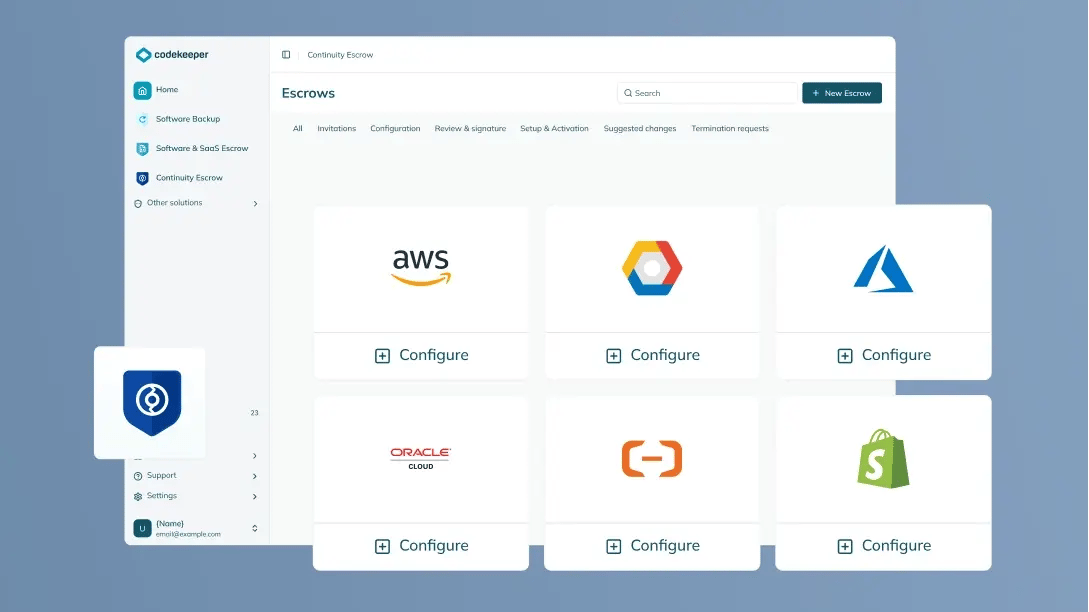
Continuity Escrow
Cut out the revenue-hitting downtime that service disruptions cause.
Learn more